
Measles
WHAT WE DO
Measles research services at VRS
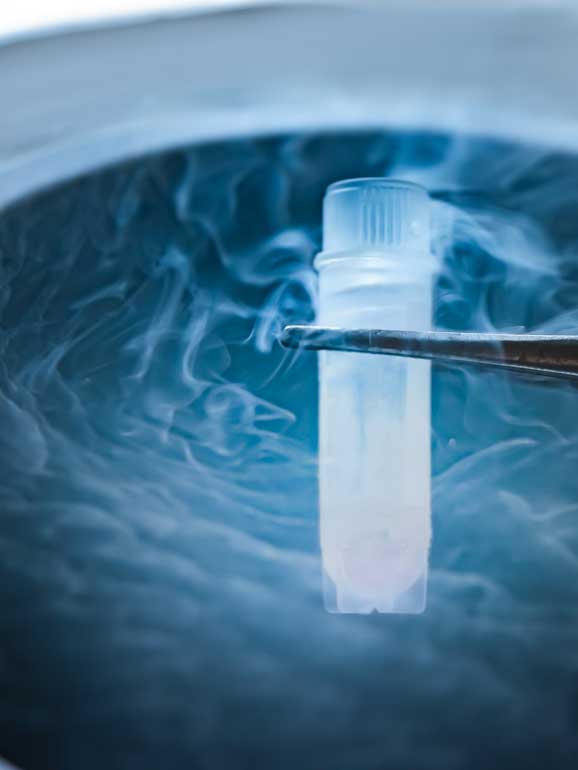
At VRS, we maintain several measles virus strains and the vaccine strain Edmonston to support vaccine potency testing, antiviral discovery, and studies of virus-host interactions.
Additional measles virus strains or historical isolates can be sourced upon request to meet specific research needs.

Our assays
Measles testing services
Virus quantification assays
TCID₅₀ assay is available for quantifying infectious virus from biological samples and to evaluate the effect of antiviral compounds or other treatments on virus replication and release.
Our TCID₅₀ is ISO 17025 accredited.
Antiviral and cytotoxicity assays
Antiviral and cytotoxicity assays are available for evaluating compounds against measles virus.
Our antiviral and cytotoxicity assays are ISO 17025 accredited.
Neutralisation assays
Our microneutralisation assay measures the neutralising activity of antibodies, sera and other test articles against measles virus.
Our microneutralisation assays is ISO 17025 accredited.
Bespoke studies
VRS also offers bespoke studies, including customised assay development, mechanism-of-action studies, virus characterisation and fundamental virology research.
Case Study: Correlation of a measles virus microneutralisation assay with PRNT
A client had used the VRS immunofluorescence based microneutralisation assay throughout its measles programme and wanted to know how it compared with the gold standard PRNT. VRS ran both methods side by side on a panel of QC samples. IC50 values from the two readouts matched closely.
Background
What is measles virus?
Measles virus is an enveloped, negative-sense, single-stranded RNA virus belonging to the genus Morbillivirus within the family Paramyxoviridae. It is one of the most contagious human pathogens known, with a basic reproduction number estimated at 12 to 18 in unvaccinated populations. Measles virus is antigenically stable, with only a single serotype recognised, meaning that immunity acquired through infection or vaccination is broadly protective and long-lasting.
Measles virus enters host cells through the interaction of its haemagglutinin (H) surface glycoprotein with one of two principal receptors: CD150 (also known as SLAM), which is expressed on immune cells including macrophages, dendritic cells, and activated lymphocytes, and nectin-4 (PVRL4), expressed on epithelial cells of the respiratory tract. Receptor binding triggers conformational changes in the fusion (F) glycoprotein, leading to direct fusion of the viral envelope with the host-cell plasma membrane and release of the viral ribonucleoprotein complex into the cytoplasm. Replication occurs entirely in the cytoplasm, driven by the viral RNA-dependent RNA polymerase. Progeny virions bud from the apical surface of epithelial cells or, in immune cells, may spread directly from cell to cell without extracellular release.
The measles virus genome is non-segmented and encodes six structural proteins: the nucleoprotein (N), phosphoprotein (P), matrix protein (M), fusion glycoprotein (F), haemagglutinin (H), and large protein (L, the catalytic subunit of the viral polymerase). Two additional non-structural proteins, V and C, are produced from the P gene through RNA editing and alternative translation initiation, and both contribute to evasion of host innate immune responses, in particular by antagonising interferon signalling. The H protein mediates receptor binding and is the primary target of virus-neutralising antibodies, while the F protein is required for membrane fusion and is also targeted by the host immune response.
Measles virus is transmitted through the respiratory route, primarily via airborne droplet nuclei that can remain suspended in air and infectious for up to two hours after an infected person has left a room, a feature that contributes substantially to its high transmissibility. Initial infection occurs in the respiratory epithelium, from where the virus rapidly spreads to regional lymph nodes and then via a primary viraemia to lymphoid tissues throughout the body, causing widespread immune cell infection before a secondary viraemia seeds the respiratory epithelium, skin, and other organs. The characteristic maculopapular rash appears approximately 14 days after exposure and coincides with the onset of the adaptive immune response.
The clinical course of measles typically begins with a few days of fever, cough, a runny nose, and red eyes, and one early telltale sign is the appearance of tiny white spots on the buccal mucosa, known as Koplik spots. The generalised rash then appears and spreads from the face downwards over the body. In immunocompetent individuals the illness resolves within one to two weeks, but measles causes a profound and prolonged immunosuppression that can persist for weeks to months after acute infection, increasing susceptibility to secondary bacterial and viral infections. Serious complications include pneumonia, the leading cause of measles-related death, croup, otitis media, and encephalitis. A rare but uniformly fatal late complication, subacute sclerosing panencephalitis (SSPE), can develop years after measles infection, particularly in children infected before the age of two.
Despite the availability of a safe, effective, and inexpensive vaccine, measles remains a significant global public health burden. Worldwide, measles causes hundreds of thousands of deaths annually, the vast majority in children under five in low-income countries with suboptimal vaccine coverage. Resurgences of measles in countries with previously high vaccination coverage have also highlighted the vulnerability created by declining vaccine uptake. Achieving and sustaining the greater than 95% population-level immunity required to interrupt measles transmission demands two doses of a measles-containing vaccine, most commonly delivered as the combined measles-mumps-rubella (MMR) or measles-mumps-rubella-varicella (MMRV) vaccine.
There is no specific licensed antiviral treatment for measles, and clinical management is primarily supportive, including fever management, hydration, nutritional support, and prompt treatment of secondary bacterial infections. High-dose vitamin A supplementation is recommended by the World Health Organization for all children with measles in regions where vitamin A deficiency is prevalent, and has been shown to reduce the severity and mortality associated with the disease. Vaccination remains the cornerstone of measles prevention and control, and global elimination targets continue to drive efforts to improve vaccine delivery, strengthen surveillance, and reach under-immunised populations.
Overall, measles virus is a highly infectious and immunomodulatory pathogen whose continued circulation represents a preventable burden of morbidity and mortality worldwide. Its remarkable stability as a single serotype, combined with the existence of a highly effective vaccine, makes measles a candidate for eventual global eradication, yet achieving and sustaining the necessary vaccine coverage remains a substantial challenge for national and international public health programmes.

Frequently Asked Questions
Do you work with live virus?
Yes. All our studies are performed using live, replication-competent wild-type measles viruses, including the vaccine strain Edmonston.
Can you work with new virus strains or develop bespoke assays?
Yes. If a required strain is commercially available (or can be supplied by the client), we can acquire, expand and optimise it for your project.
We routinely develop bespoke assays tailored to individual research programmes. We work with both Containment Level 2 (CL2) and Containment Level 3 (CL3) viruses. For new or unusual pathogens, additional biosafety assessments or regulatory approvals may be required before work can begin. We recommend discussing these requirements with us early during project planning to avoid unnecessary delays.
Why choose VRS for measles studies?
VRS has extensive experience working with complex RNA viruses, including measles virus, supporting pharmaceutical and biotechnology programmes from early discovery through to advanced candidate characterisation.
Our measles virus expertise includes virus propagation, antiviral and neutralisation assays, and bespoke assay development.
We combine deep virology expertise with flexible assay development capabilities, enabling us to design robust workflows for challenging biological questions where standard approaches are not sufficient.
Can you adapt existing assays to our specific requirements?
Yes. All experimental work is carried out by our scientific team within our UK laboratories. We do not subcontract laboratory work to third parties.
Where a project requires specialist services outside our scope (for example, peptide synthesis or animal studies), we can coordinate with trusted collaborators while remaining your primary scientific contact throughout the project.
Are all studies performed in your own laboratories?
Yes. All experimental work is carried out by our scientific team within our UK laboratories. We do not subcontract laboratory work to third parties.
Where a project requires specialist services outside our scope (for example, peptide synthesis or animal studies), we can coordinate with trusted collaborators while remaining your primary scientific contact throughout the project.
How can I find out more?
You can explore our related resources, including technical articles, case studies and virus-specific services, using the Learn More section above.
If you would like to discuss your project directly, please contact us using our contact form or email vrs@virologyresearchservices.com.
Subscribe