
Air-liquid interface model
ALI MODEL
Air-liquid Interface Services
Our Air-Liquid Interface (ALI) model is expertly engineered to simulate the human airway’s physiological landscape.
In an era of growing demand for robust and effective preclinical models, ALI technology are increasingly being used for in vitro studies. At Virology Research Services, we offer ALI model services for drug and toxicity testing, empowering our clients to make well-informed decisions.
Contact our expert team today to discover the potential of our innovative approaches.
Our Approach
Why choose our ALI cell culture technique?
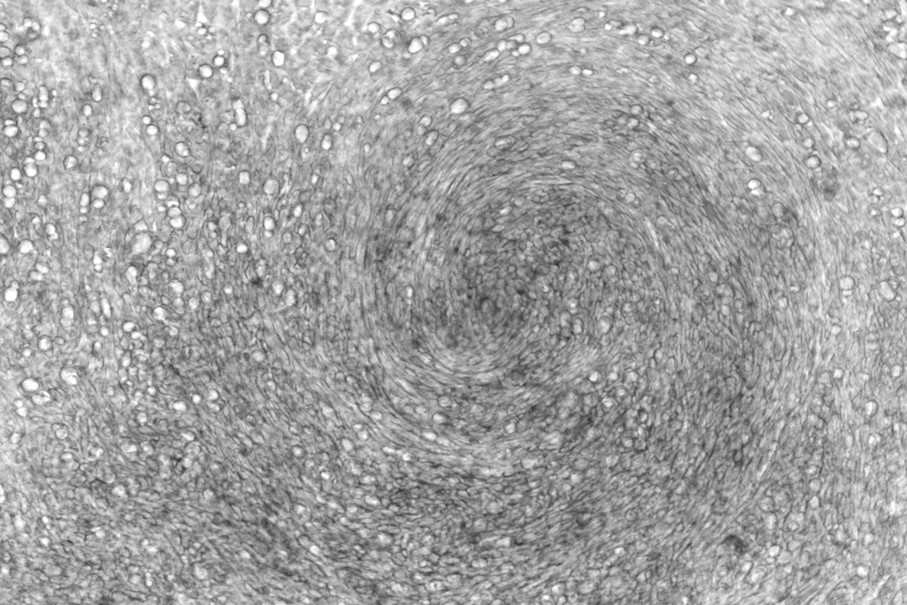
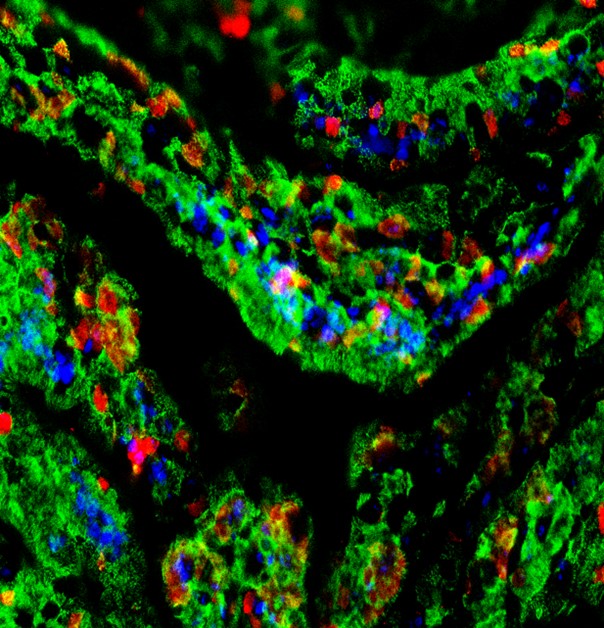
Simulate real respiratory conditions: ALI cultures mimic a natural setting in which airway epithelial cells are exposed to air on one side and a nutrient-rich liquid medium on the other. It promotes the differentiation of cells into a structure resembling the pseudostratified epithelium of the respiratory tract, complete with cilia, mucus-producing cells, and tight junctions that are characteristic of in vivo airway tissue.
Advanced research applications: Leverage our ALI cultures for in-depth research into respiratory diseases caused by respiratory viruses. Study infection mechanisms, evaluate immune responses, and test the efficacy of potential treatments in a system that closely mirrors human respiratory physiology.
Engage with us today to advance your research into respiratory diseases: Contact us now to learn more about how we can assist you in exploring the complexities of respiratory diseases and developing effective therapeutic strategies.
Further reading: Learn more about our air-liquid interface testing services and how we’ve been applying this advanced psychological model to study RSV.
3D models
Explore cutting-edge research with our ALI cell culture services
Unlock the potential of primary human bronchial epithelial cells (HBECs) through our state-of-the-art Air-Liquid Interface (ALI) cell culture services.
The use of Air-Liquid Interface Cell Culture (ALI) with primary human bronchial epithelial cells (HBECs) enables researchers to create 3D human airway cell models that mimic the epithelial lining of the respiratory tract and can be used to gain valuable insights into how the respiratory epithelium functions and responds to pathogens.
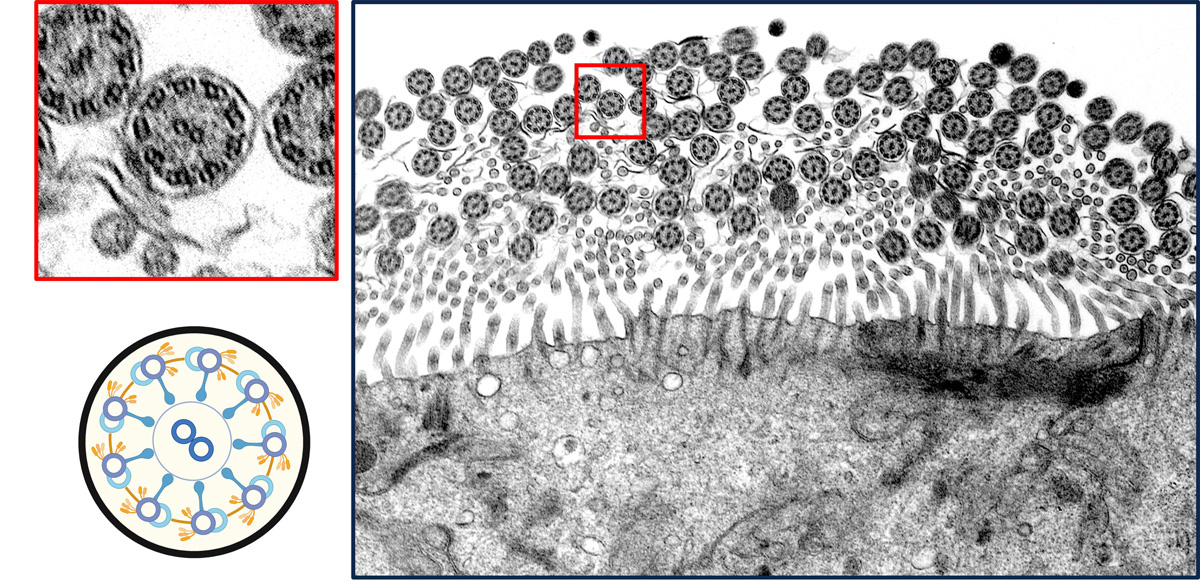
TEM image of in vitro ALI-cultured cilia in transverse section, showing a “9 + 2” microtubular arrangement. ALI culture by VRS, microscopy by Dr Andrew Rogers